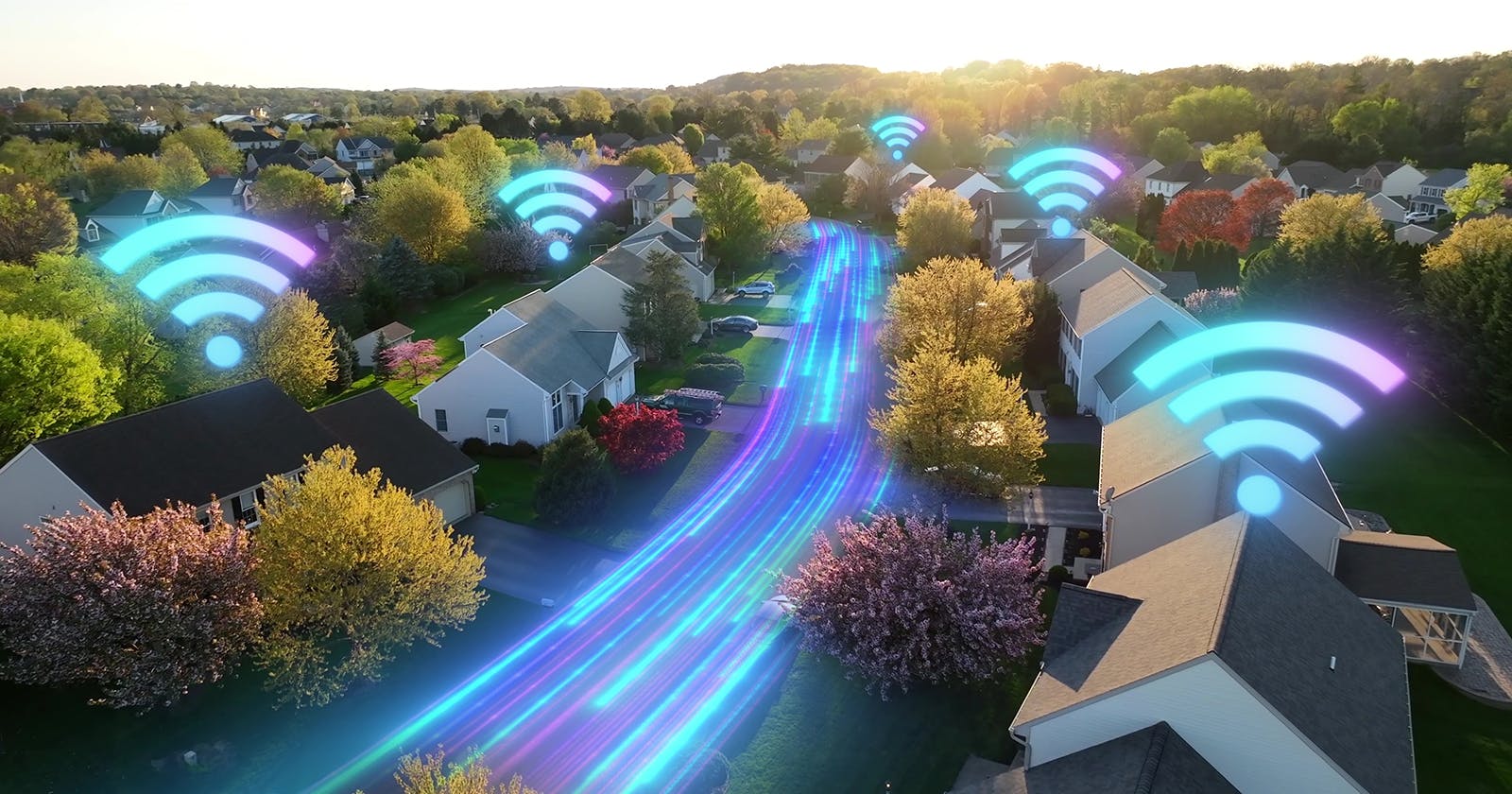
The main advantages of fiber compared with DSL
- Higher speeds – fiber delivers significantly faster internet.
- More stable connections – less affected by electrical interference.
- Better upload speeds – ideal for video-calls or cloud-storage.
- Future-ready infrastructure – fiber networks can scale for future demands.
In this article you can find more information on DSL: DSL vs. Cable internet: What’s the difference? | yallo
Why more households are switching to fiber internet
The number of connected devices in modern homes continues to grow. Today’s households often use several internet connected devices simultaneously, including:
- Smartphones
- Smart-TVs
- Laptops and tablets
- Smart-home devices
- Gaming consoles
With slower connections, this can quickly lead to buffering, slow downloads and unstable video calls.
A fiber-connection solves these problems by delivering consistent high-speed internet.
Situations where fiber makes a big difference
Remote work
Video meetings, cloud tools and large file transfers require a stable connection.
Streaming
Streaming services need strong bandwidth to deliver high-quality video.
Online-gaming
Low latency is essential for competitive gaming.
Smart-home devices
From security cameras to smart speakers, many devices rely on constant connectivity.
The key advantages of fiber internet for your home
A fiber-connection offers several benefits that make everyday internet use easier.
1. Ultra-fast speeds
Fiber internet allows extremely high download and upload speeds. Websites load faster, downloads take seconds and streaming works smoothly.
2. Reliable connectivity
Because fiber cables are less sensitive to interference, the connection remains stable even when several people are online.
3. Future-ready technology
As internet usage continues to grow, fiber infrastructure is built to handle increasing data demand and new digital services.
4. Better digital lifestyle
With faster internet, many everyday digital activities become easier:
- Automatic photo backups to the cloud
- Smooth video streaming
- Faster downloads
- Stable video calls
What do you need for fiber internet?
To use fiber internet, your building must have access to a fiber-optic network. Once installed, the connection brings fiber cables directly to your home.
Typical components include:
- Fiber optic cable infrastructure
- A fiber modem or fiber router
- A home WiFi network for your devices
Once everything is set up, you can access high-speed internet across your entire home.
More information about internet services is available here:
Best Internet plans + TV for Switzerland | yallo
Tips for getting the most out of your home internet
Even with fiber internet, a few adjustments can improve your home network performance.
Practical tips for better WiFi
- Place the router in a central location in your home.
- Avoid placing it behind thick walls or inside cupboards.
- Use WiFi-extenders in larger apartments or houses.
- For gaming or remote-work, use a LAN-cable connection when possible.
These small improvements can significantly enhance internet performance.
For more information: Internet slow despite high speed: Causes & fixes | yallo
FAQ – Frequently asked questions about fiber internet
What is a fiber internet connection?
A fiber internet connection uses fiber optic cables to transmit data through light signals. This allows extremely fast and stable internet speeds.
Is fiber faster than DSL?
Yes. Fiber internet can deliver much higher speeds and more stable connections than DSL, especially when many devices are connected.
Why is fiber considered the internet of the future?
Fiber networks can handle massive amounts of data and can be upgraded easily. This makes them suitable for future technologies and increasing internet demand.
Do you need fiber for streaming?
Streaming works with many internet connections, but fiber provides a smoother experience, especially for high-resolution video and multiple simultaneous streams.